

Pemba Island
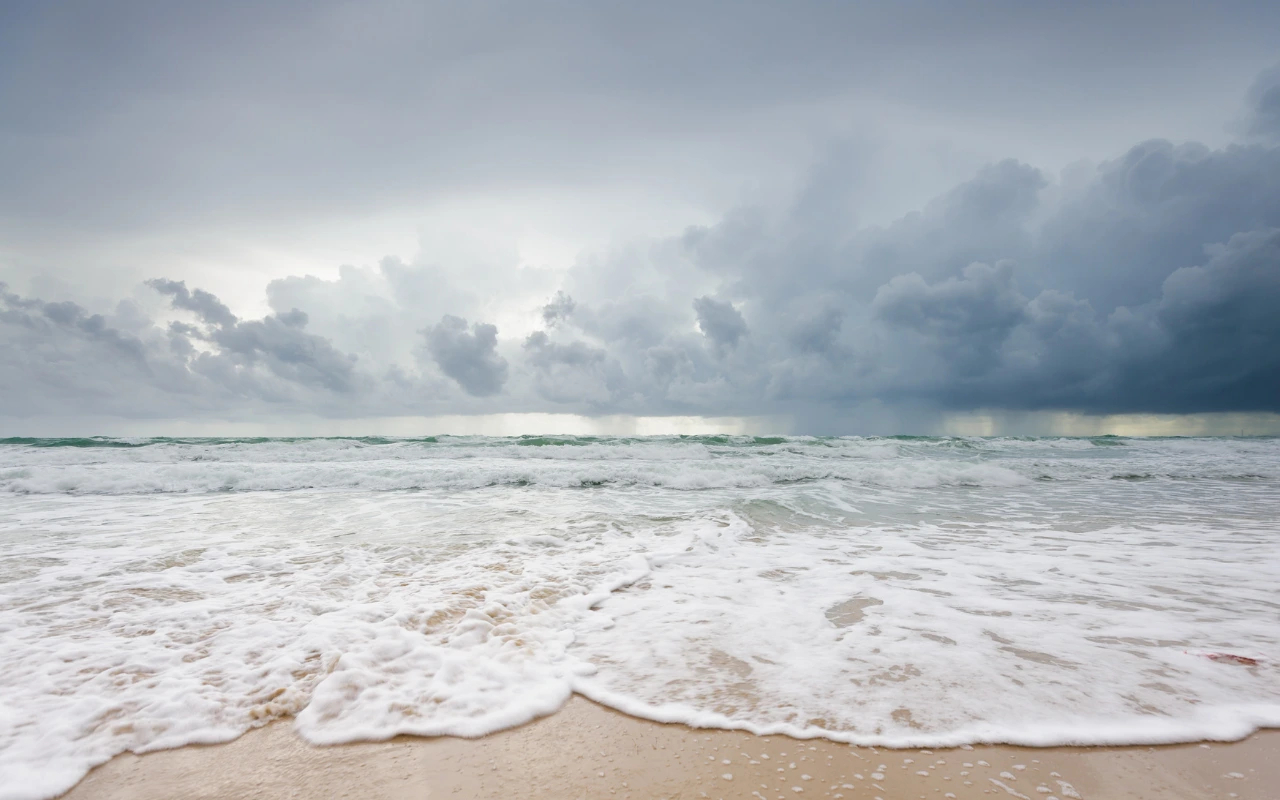
Pemba Island is still to this day rather undiscovered by the outside world. Life on Pemba moves to a slower, authentic Swahili rhythm. Tourism remains a low impact, thoughtful addition to the local economy rather than its defining feature. By exploring the winding dirt roads, visiting historic landmarks like the 1904 Ras Kigomasha Lighthouse, or engaging with local communities, visitors gain an unfiltered look into traditional coastal life.
The historical power house
In order to truly experience Pemba Island one has to understand its cultural and agricultural history. Today’s Pemba is relatively unknown, but for centuries, this island was the true powerhouse of the global clove trade, historically producing the vast majority of the archipelago’s spices This legacy continues today and the air drifting across the island carries the rich, warm scent of drying cloves, lemongrass, and wild nutmeg harvested from family owned shambas.
Pemba Island has a historical heritage from the original inhabitants, to the arabic era to the portuguese influences. The heritage has partly been preserved in its people and culture and parts in historical ruins and buildings scattered across the island. For those interested in exploring the island’s history, there are plenty of historical sites such as the Chwaka Ruins, the Ras Mkumbuu Ruins and the Ras Kigomasha Lighthouse.
Unique Eco System
Being separated by the Tanzanian for such a long time has caused several species to evolve into endemic variations only found on Pemba and nowhere else. This includes 4 bird species and two mammal species. The best place to experience the endemic wildlife of Pemba is Ngezi Forest, which is also the only primary forest left of what covered most of the east african coast. This forest is a thick rainforest and can be explored on foot through one of its hiking trails.
The Pemba Channel, the name of the strip of ocean between Pemba Island and the mainland, is also a very special eco system. The deep underwater drop offs close to the island shore, some as deep as 2400 meters has created the perfect conditions for an abundance of marine life. From large whales and dolphins such as sperm and humpback whales, to vivid reefs and manta rays, there are lots of things to experience. You can dive, snorkel or view the larger inhabitants from a boat.
Pemba Island stands as a reminder of what travel used to be: adventurous, genuine and wild. Any visitor to Pemba will notice that this island rewards the curious and the mindful and if you come here with a quick bucket list to tick off you will be dissapointed . By choosing to explore its protected marine zones, forests, history and local spice heritages you aren’t just visiting a destination. You are becoming a vital part of a sustainable legacy that keeps the true, untamed heart of Pemba Island beating.