

The Pemba Channel
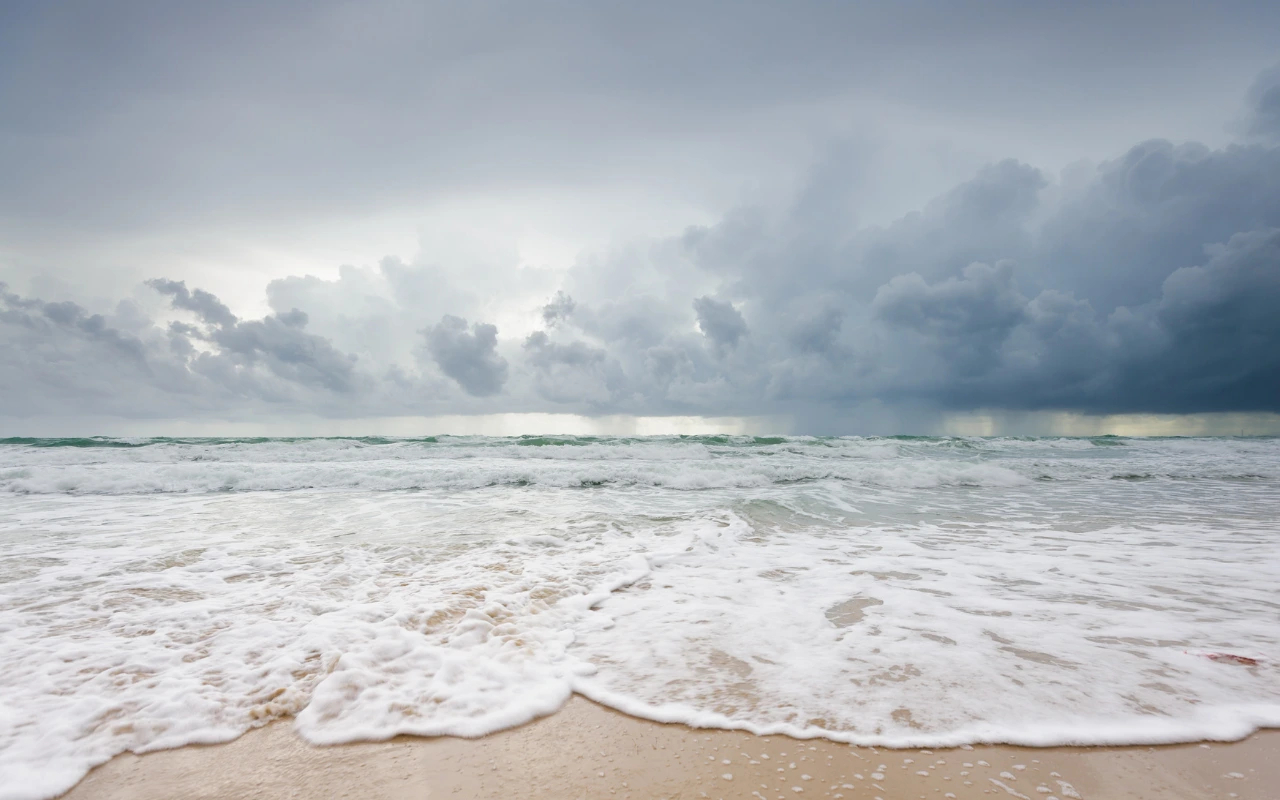
From the shores of Makangale Bay Lodge, the ocean appears as a serene, endless expanse. Yet, just a short distance past the beach and the protective barrier reef is the Pemba Channel, one of the most dramatic marine environments on Earth. At the edge of the reef is a deep drop of over 1000 meters. This deep channel between Pemba Island and the Tanzanian Mainland creates a unique eco system where deep, nutrient rich cooler water comes in direct contact with the reef at the surface. The unique underwater ecology creates perfect conditions for all kinds of plants and animals, from helping corals avoid bleaching to allowing large whales and dolphins to come very close to the shore. Since 2005, the channel has been protected under the Pemba Channel Conservation Area, which includes monitoring and protection by Blue alliance in cooperation with local communities and businesses.
Pemba’s Unique Geology
Unlike neighboring islands resting on shallow coastal shelves, Pemba is a true oceanic island separated from mainland Tanzania by a massive tectonic rift valley. According to bathymetric surveys published by the Institute of Marine Sciences at the University of Dar es Salaam, the floor of the Pemba Channel plunges to staggering maximum depths of nearly 2,400 meters at its deepest. This severe subterranean trench creates an exceptional oceanographic phenomenon, a deep-water upwelling system. As the powerful East African Coastal Current hits Pemba’s underwater walls, cold, nutrient rich water is forced upward into the sunlit surface layers. This nutrient boom fuels a massive marine food web. Because the deep trench naturally captures coastal sediment, water clarity in the northern channel is unparalleled, regularly exceeding 40 meters visibility.
The intersection of intense tropical sunlight and deep-sea upwellings transforms the Pemba Channel into an open ocean oasis. These waters support permanent megapods of Spinner and Indo Pacific Bottlenose dolphins, occasionally numbering between 200 and 400 individuals hunting cooperatively along the steep dropoffs. The channel is also a critical migratory corridor for endangered marine megafauna. From July to October, Humpback whales migrate from the Antarctic to calve in the warm, sheltered waters. There are a total of 13 documented whale and dolphin species living in the channel. Whales and dolphins can sometimes be viewed breaching from the deck at the restaurant or seen during boat rides or snorkeling trips.
Beneath the surface, the steep walls draw in apex predators such as black marlin, sailfish, and yellowfin tuna while its vibrant fringe reefs host over 400 documented fish species, from graceful manta rays to reef sharks. Thanks to the colder upwelling, the Pemba’s reefs are free from coral bleaching as is common in other places.